Business Aug 6, 2026 · 6 min read
When to buy the second van
A second van is a different business, not twice the first one. Three numbers to have in place before you sign for it.

Walt Brannigan Co-founder, engineering
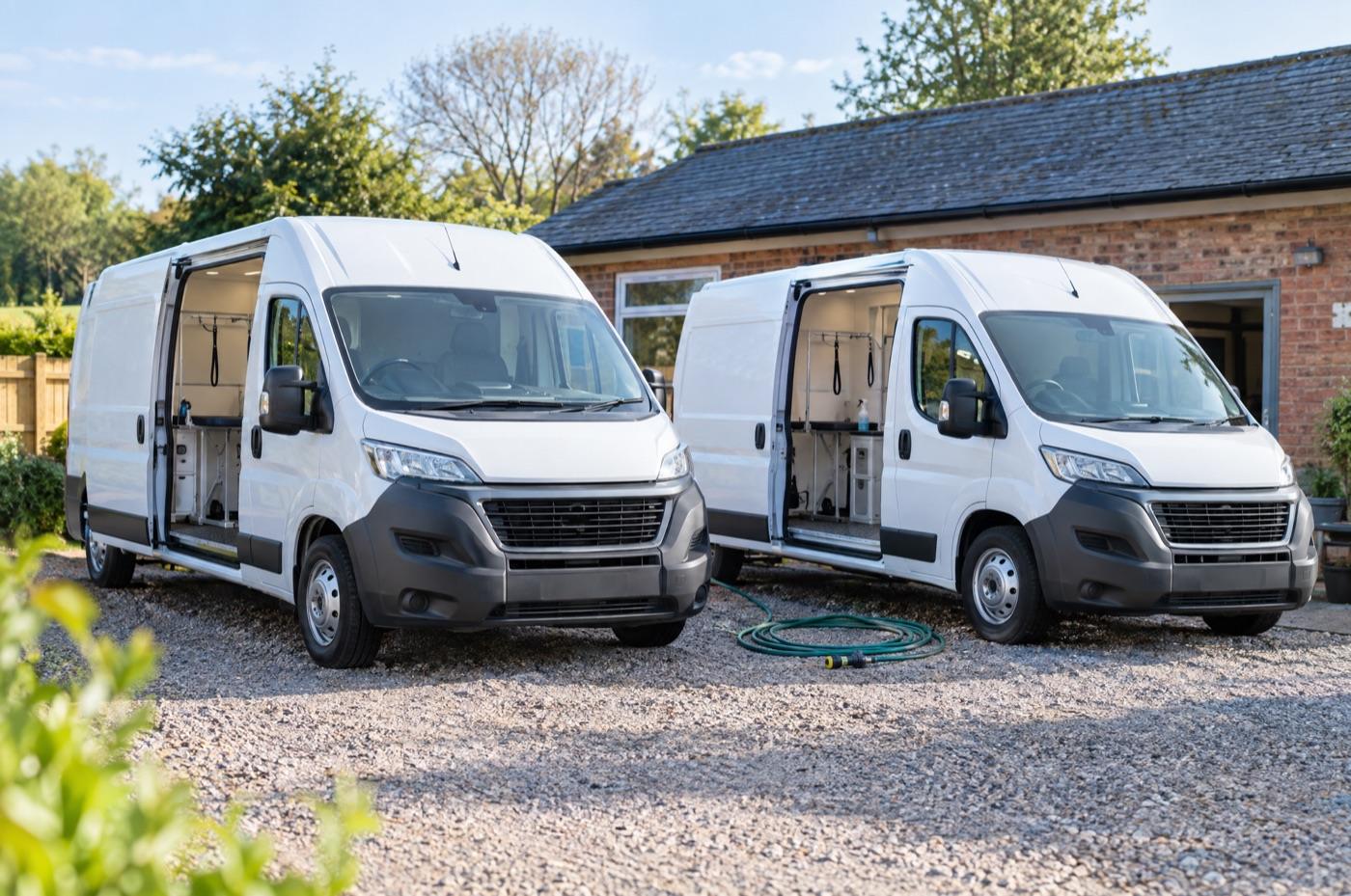
A second van looks like twice the business. It is closer to a different business. The first van is you, grooming. The second van is you, managing someone who grooms, while also grooming. We have watched a few hundred groomers make this jump on Bramble, and the ones who came out ahead had the same three numbers in place before they signed anything.
Number one: you are full six weeks out
Not busy. Full. Open your calendar and count the days until the first open slot a new client could book. If it is under four weeks, you do not need a van; you need a tighter route or a price increase. At six weeks and holding, with a waitlist of fifteen or more households, the demand is real.
Number two: you know what a stop costs
You should be able to say what it costs to complete one stop: fuel, insurance, van payment, supplies and card fees, divided by stops. For most one-van groomers it is $31 to $38. A second van adds a groomer’s pay on top, usually a commission of 45% to 50% of the service. If your average ticket is $104 and a stop costs $35 before pay, a commissioned stop leaves you about $19. That is the number the second van lives on.
At 24 stops a week, $19 a stop is roughly $1,980 a month. It works. It does not work at 16 stops a week, where the fixed costs are spread thinner, and that is where most second vans sit for their first three months.
Number three: ninety days of the payment in the bank
A new groomer builds a route slowly. Plan for the second van to run at half capacity for a quarter, and have those three months of van payment, insurance and base pay set aside before you buy. The groomers who struggled were almost never wrong about demand. They ran out of runway in month two.
Split the map before you split the work
The most common mistake after buying is sending both vans everywhere. Two vans crossing each other’s paths all day burn the profit the second van was meant to make.
- Draw one line through your service area along something real, a river or a highway.
- Give each van one side, and move existing clients to the van that owns their side.
- Let clients keep a groomer they love if they ask, and price the exception into the day.
Kindred Co. in Pittsburgh went from two vans to three in 2025 and cut total miles by 31% in the same year, because each van finally had its own side of the rivers.
Hire the groomer before the van
A van takes three weeks to buy and a good groomer takes three months to find. Start with the person. Have them ride along for two weeks, on your route, with your clients. If your regulars ask for them by name by the end of week two, order the van.
The quiet option
There is no rule that says a grooming business has to grow. Plenty of the happiest groomers we know run one van, four days a week, full eight weeks out, at a price that makes that enough. A second van is a good answer to one question: do you want to run a company? If the answer is yes, get the three numbers in place and go.
Less planning, more grooming
Start free on one van for 14 days. Send us your client list tonight and it’s imported by morning.